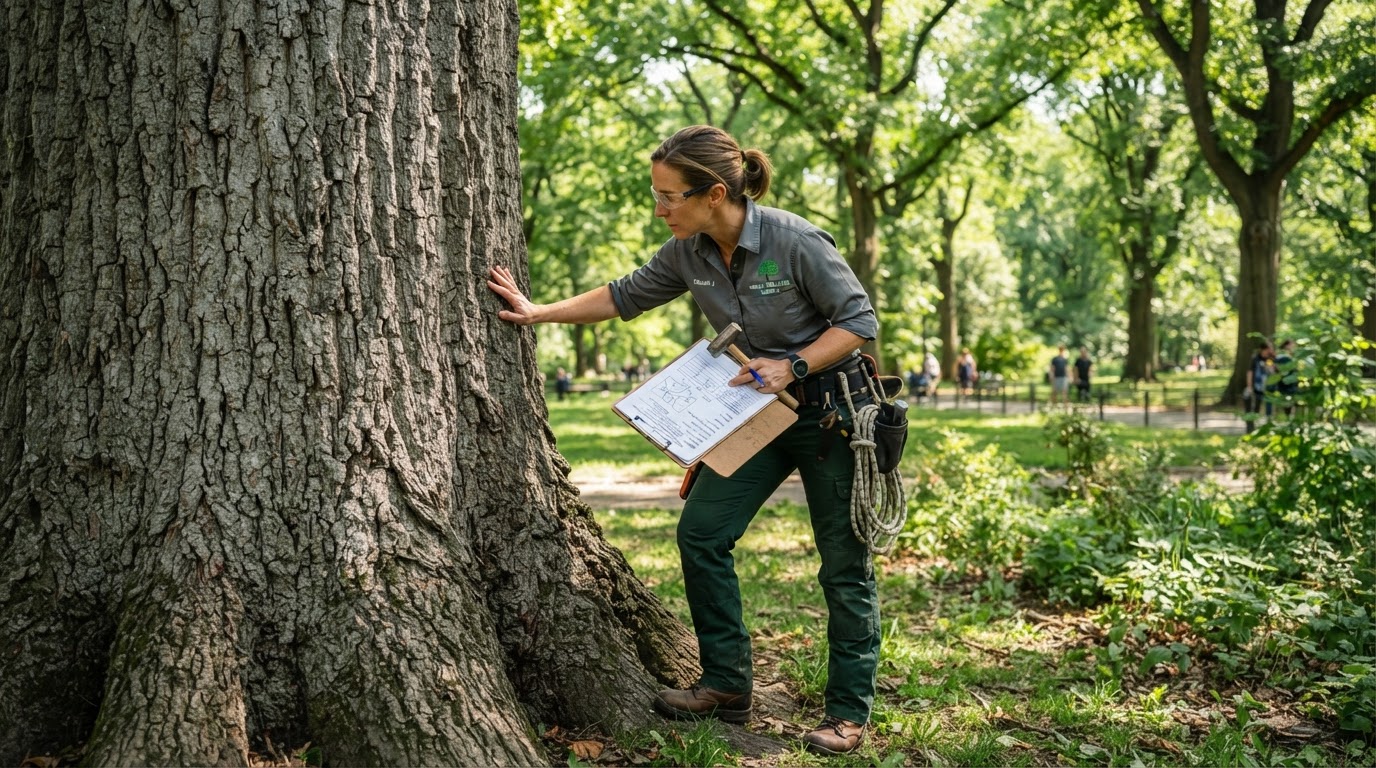
Overall condition assessment
A full evaluation of the tree's health, structure, and risk that frames every recommendation.
Understand what your trees need through assessment, practical advice, and care suited to their condition.
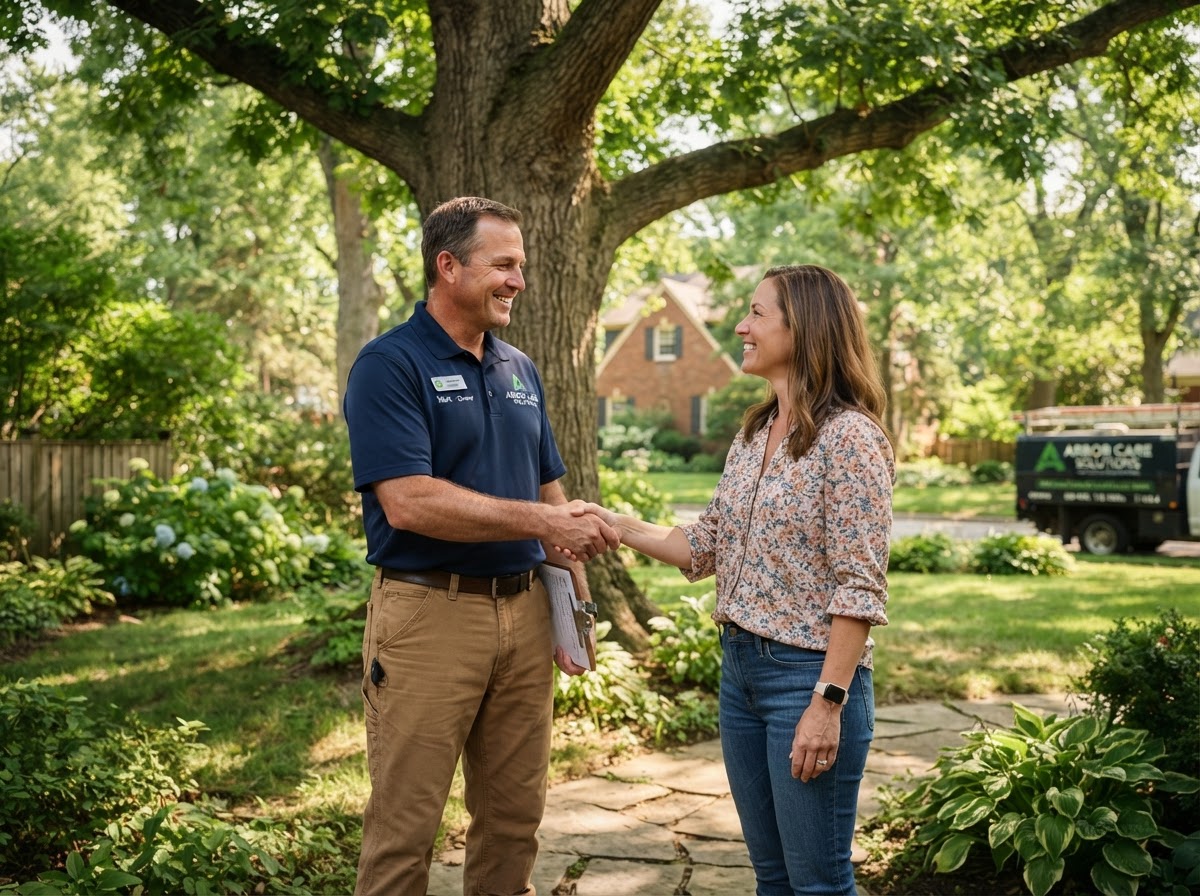
A healthy tree depends on much more than what you can see from the ground. We assess four zones to understand how the tree is actually doing.
Leaf size, color, density, and deadwood reveal how the tree is feeding and growing.
Cracks, cavities, co-dominant leaders, and weak unions point to structural risk.
Soil heaving, girdling roots, severed roots, and decay at the base affect stability.
Compaction, drainage, and nutrients shape whether the tree can recover and thrive.
From the roots to the canopy, we look at the whole tree and the conditions around it. Each category covers a specific concern, so recommendations stay focused.
A full evaluation of the tree's health, structure, and risk that frames every recommendation.
Identify pathogens, decay, and insect pressure, then build a targeted, measured response.
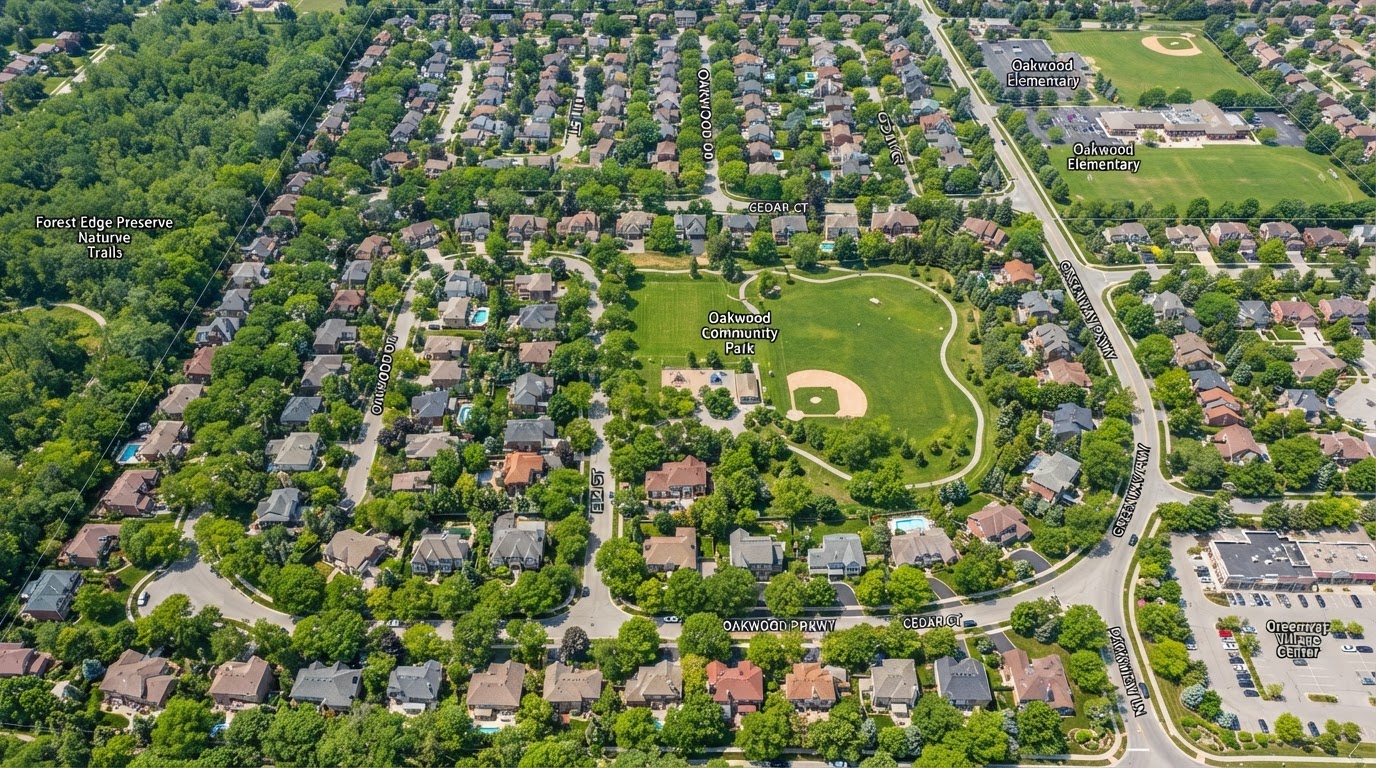
Compaction, drainage, girdling roots, and nutrient levels that drive decline below grade.
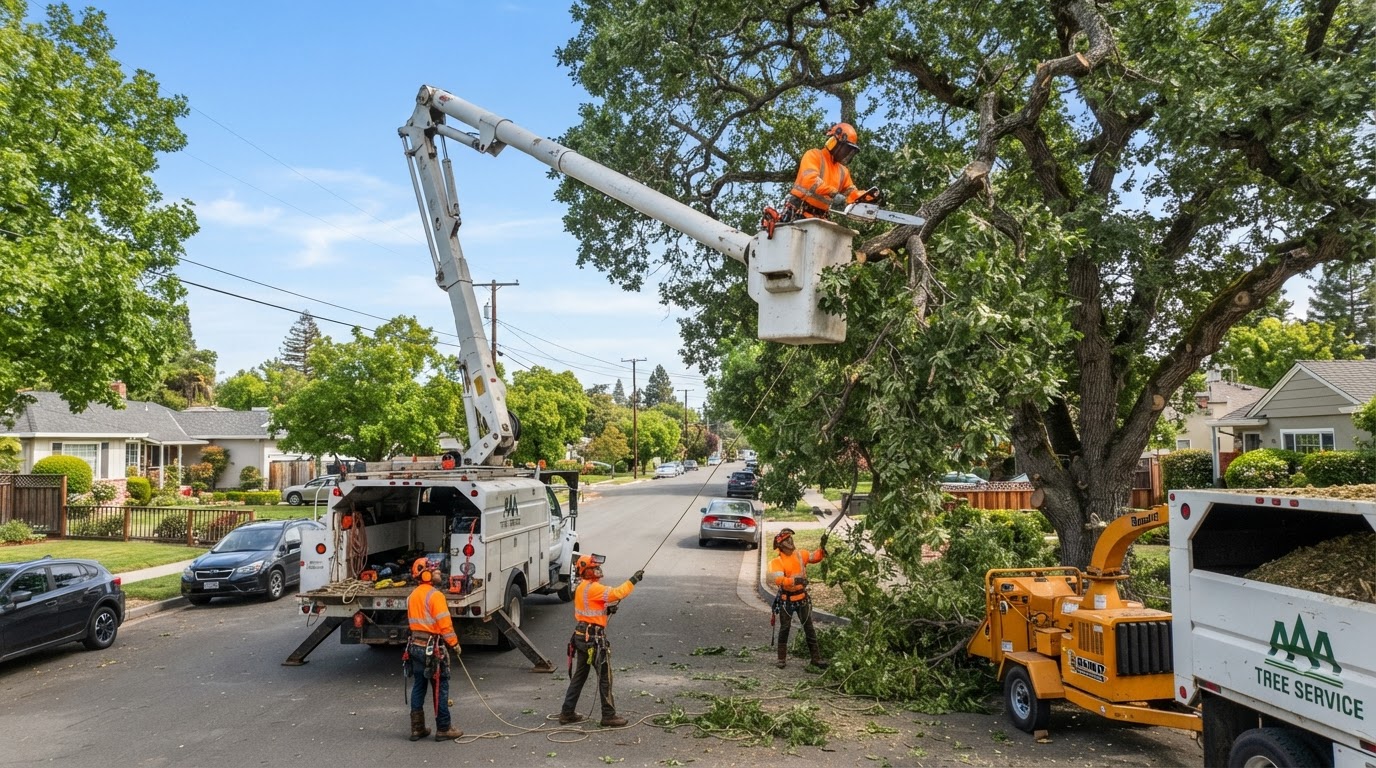
Dead limbs and thinning canopy are traced to their cause, not just removed and ignored.
Cracks, weak unions, and heavy limbs assessed for cabling, bracing, or reduction.
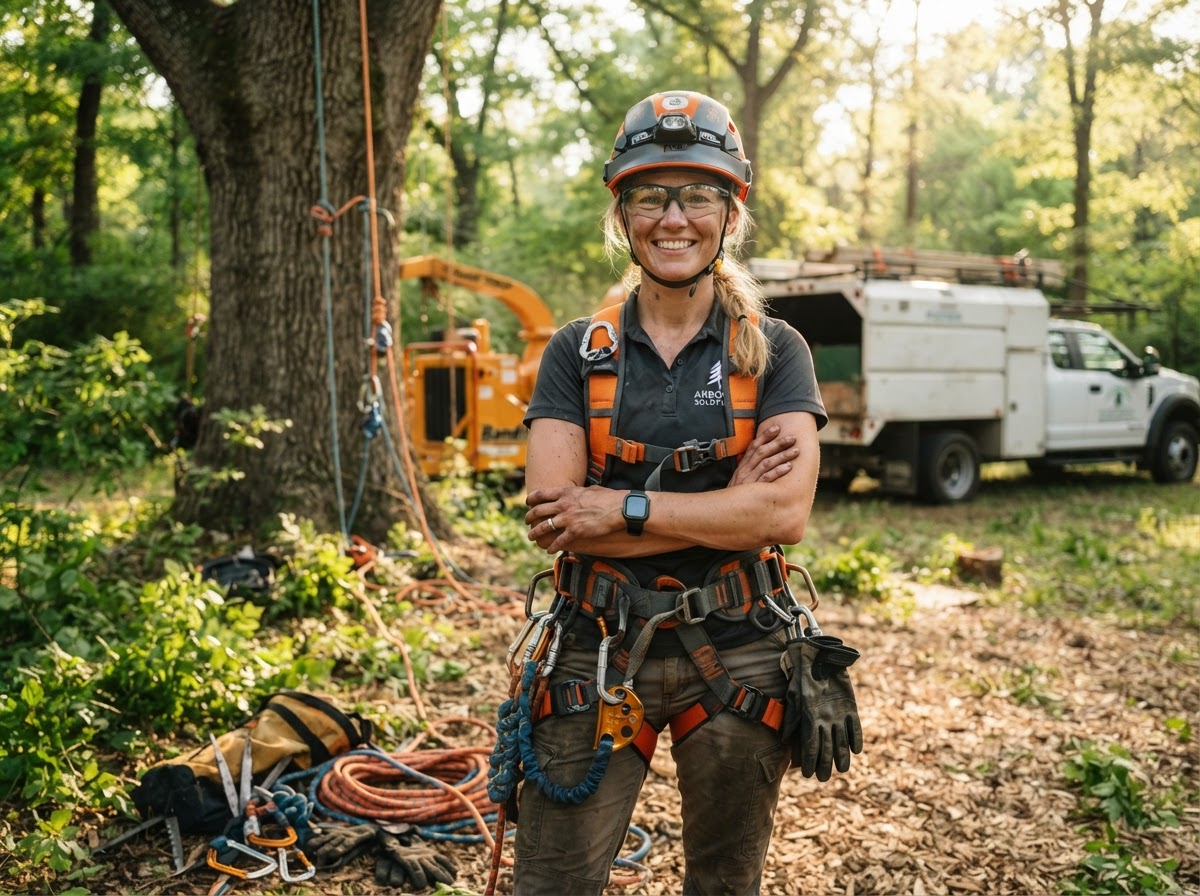
Ongoing programs that keep sound trees healthy and catch problems before they spread.
Not every struggling tree can be saved, and not every struggling tree needs to come down. We weigh the tree's condition, the risk it poses, and the realistic odds of recovery before we recommend a direction.
These are signs worth talking through, not a diagnosis. Describe what you see and we will assess whether it points to a problem worth addressing.
Yellowing, browning, or unusual spotting.
Limbs with no leaves mid-season.
Mushrooms or conks on the trunk or roots.
Cracking, peeling, or missing bark.
Leaves falling well before autumn.
Splits in the trunk or major limbs.
A lean that appeared or grew worse.
Severed, decayed, or lifted roots.
Good care starts with understanding why a tree is struggling. We look at the whole picture before recommending pruning, soil work, targeted pest or disease care, or structural support.
We look at the whole tree and the conditions around it before recommending anything.
Soil, moisture, pests, structure, and site history that may be driving the decline.
Pruning, soil care, targeted pest or disease work, or structural support where it fits.
We follow up to see how the tree responds and adjust the plan if conditions change.
A tree health assessment is a clear, honest evaluation. Here is what it considers and what your recommendation may include.
Most residential assessments are part of our free estimate process. Complex or multi-tree evaluations may carry a fee that is credited toward any work you book.
Worried about a tree on your property? We are happy to take a look and give you an honest read on what it needs.
Tell us what you are noticing. We will help you understand the next step and what to expect.