
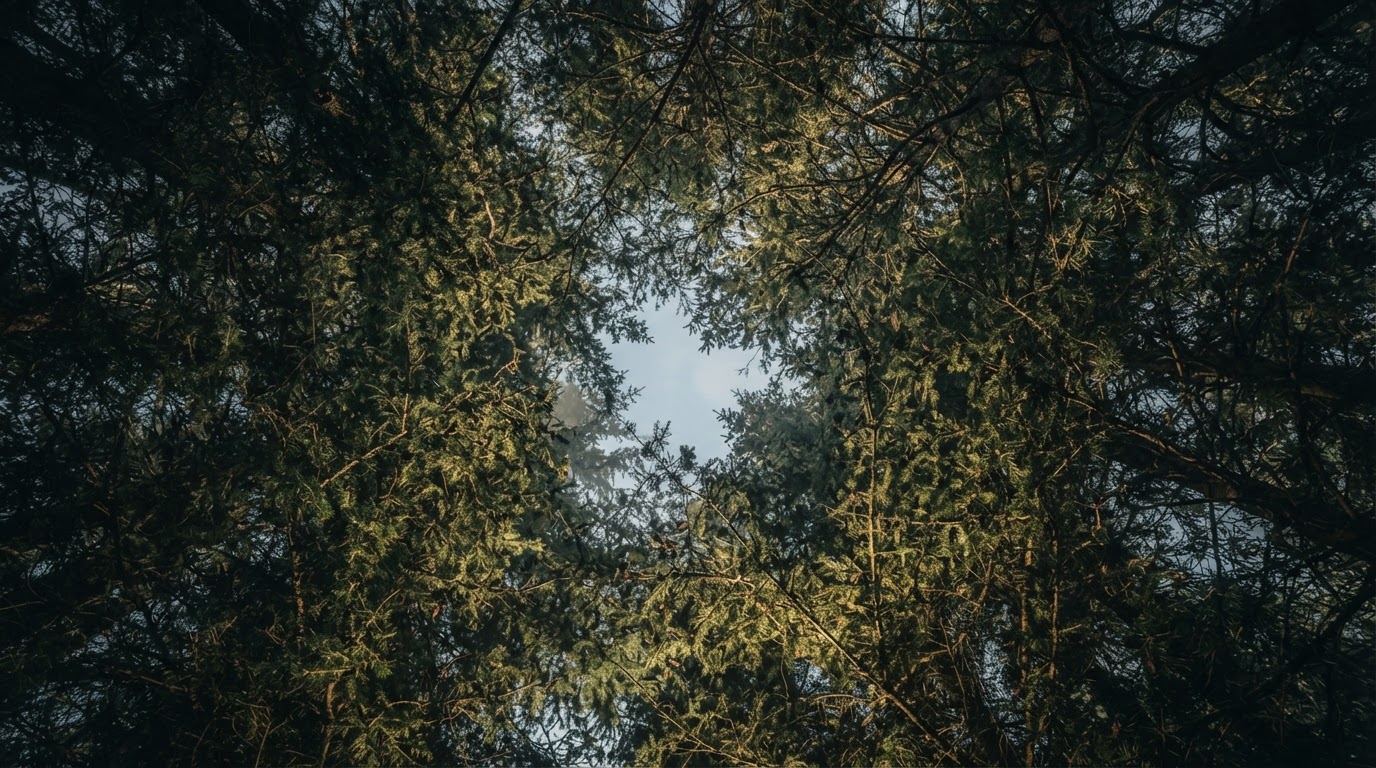
Structure and young-tree development
Set strong architecture early so young trees grow into a sound, balanced form that holds up for decades.
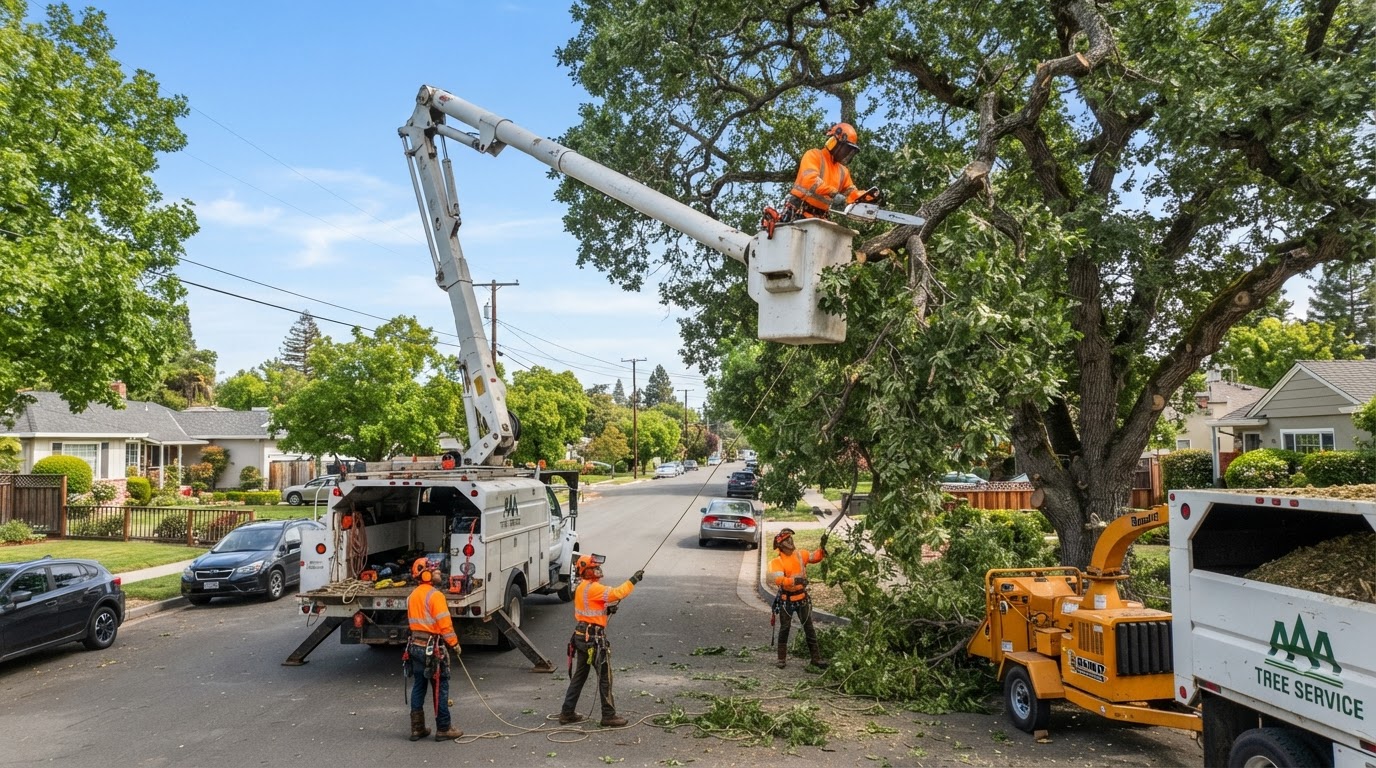
Carefully planned pruning for healthier growth, better clearance, and a canopy that suits your property.
We prune to improve structure, reduce risk, and clear what matters around your home. Each module below covers a specific goal, so you know exactly why a cut is being made.
Set strong architecture early so young trees grow into a sound, balanced form that holds up for decades.
Remove dead, broken, and storm-damaged limbs that are ready to fall and invite decay into the tree.
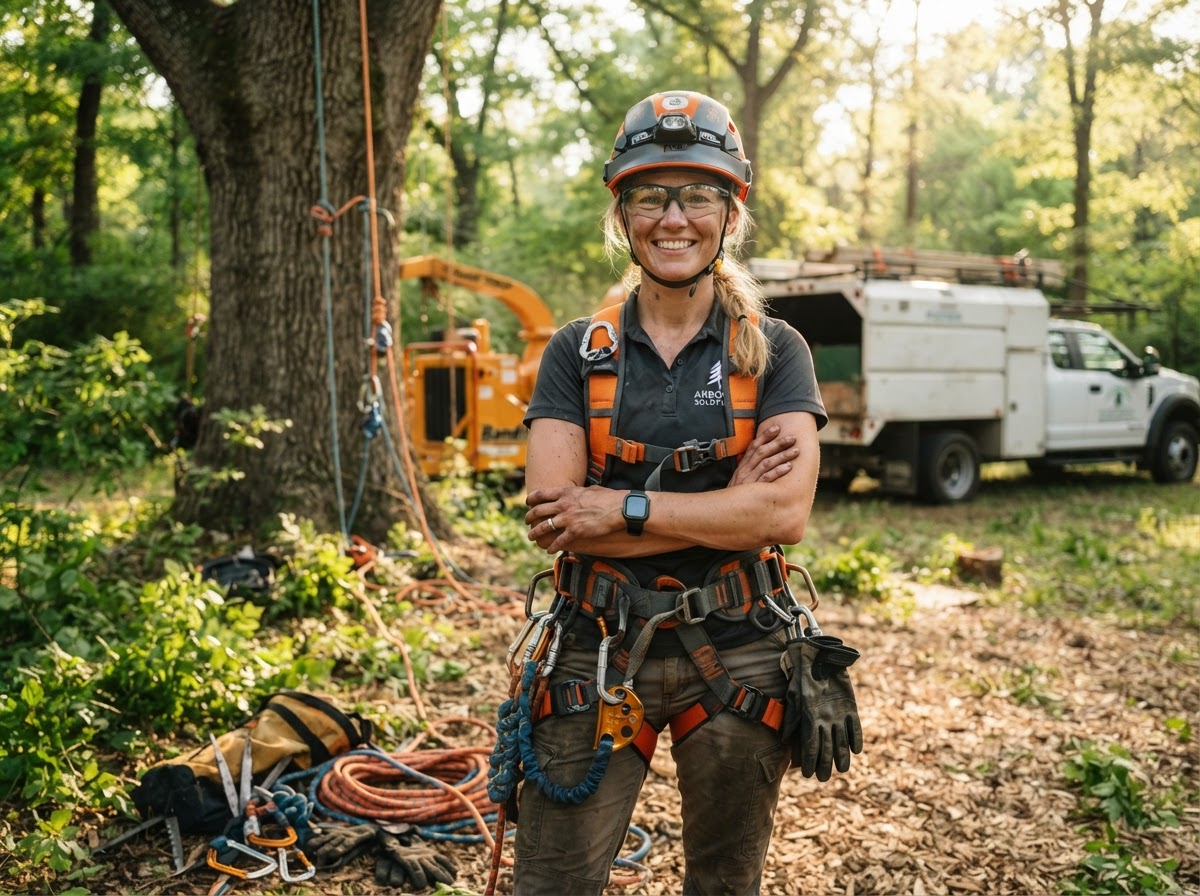
Lift and cut back limbs that threaten shingles, gutters, vehicles, and the paths people use every day.
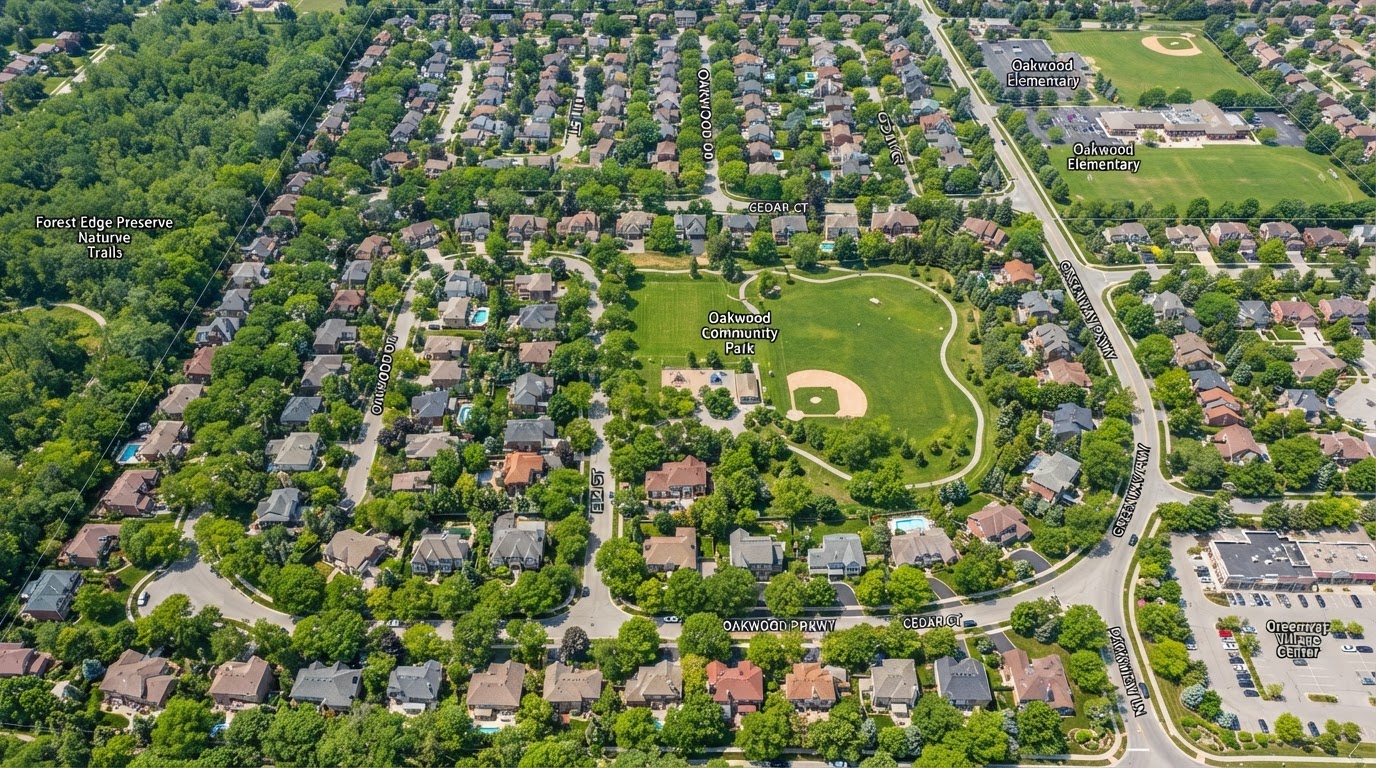
Thin a heavy canopy to reduce wind sail, let light and air move through, and lower the chance of storm failure.
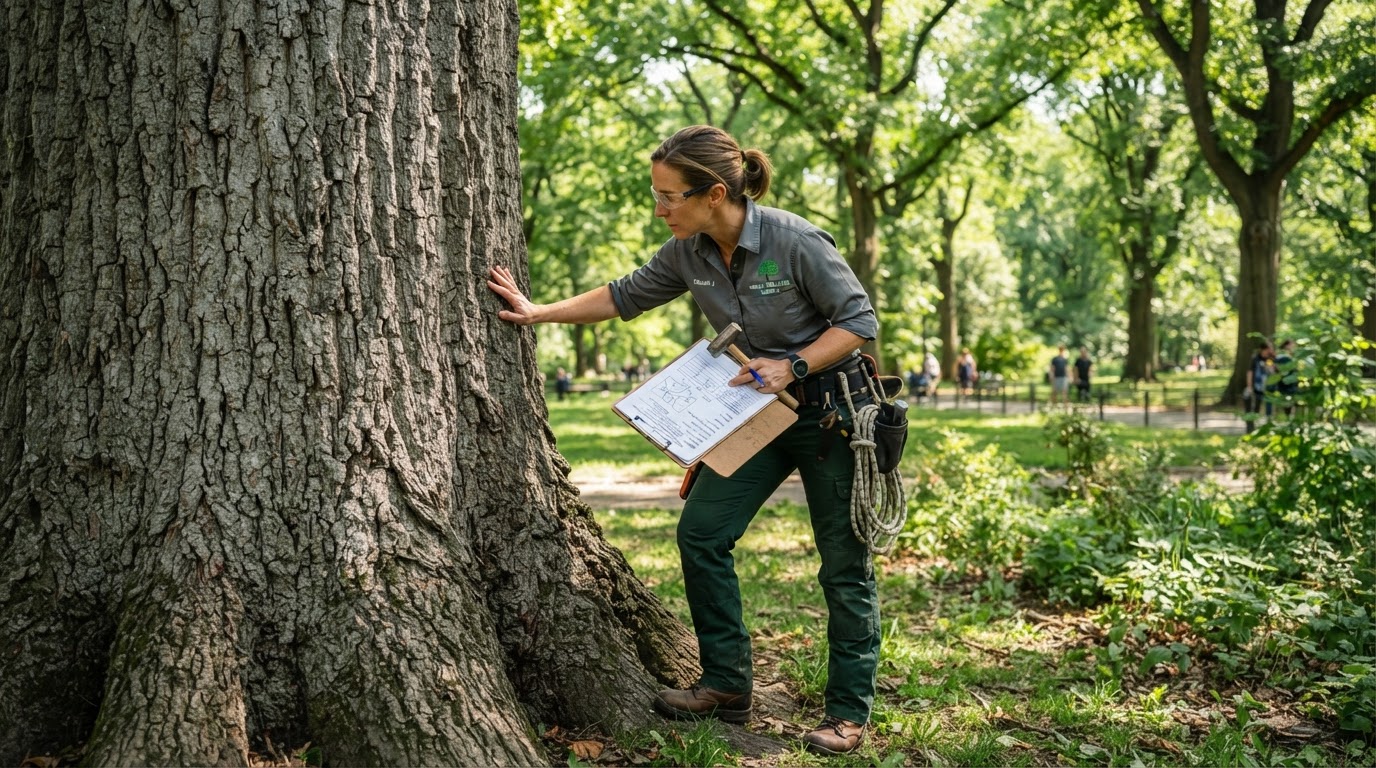
Selectively open views and bring neglected trees back under control without harming their structure.
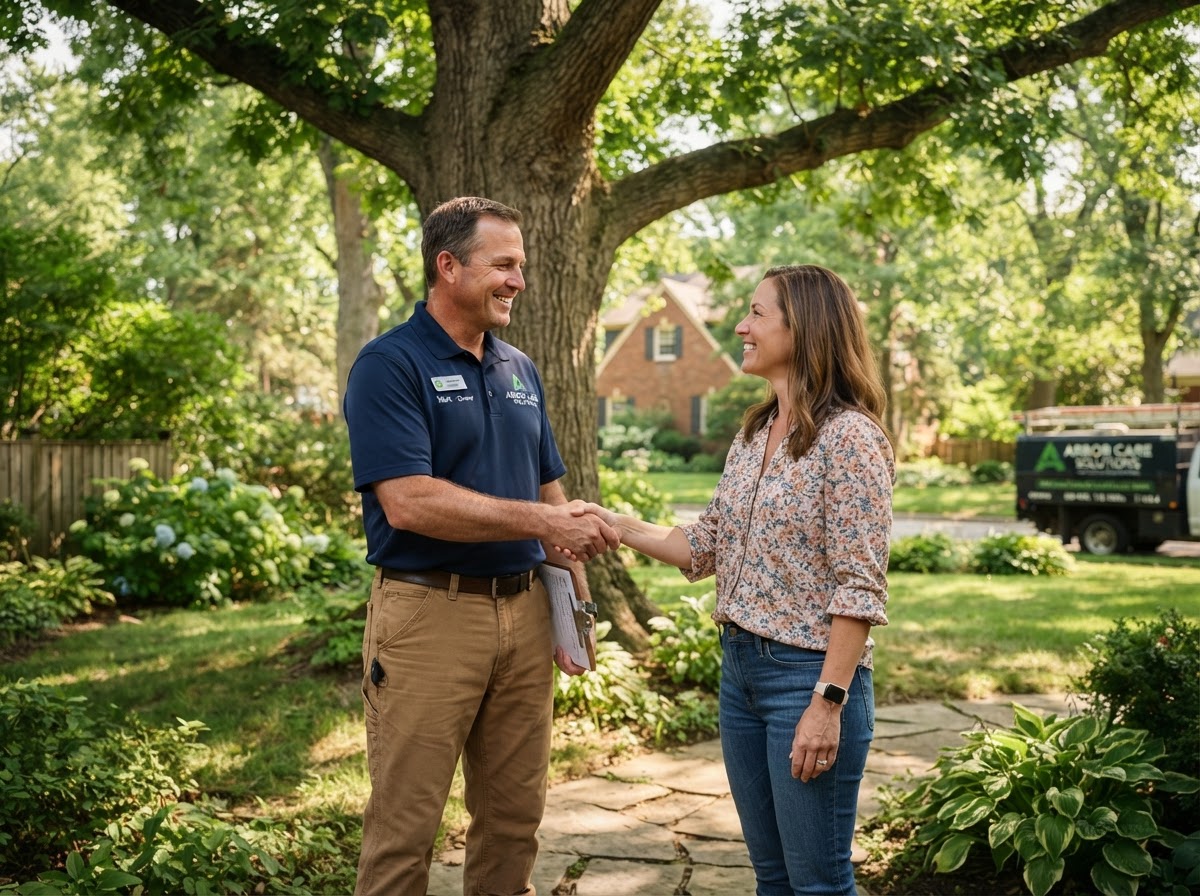
Conservative, well-timed cuts that respect older trees and reduce end-weight so limbs hold up in wind and ice.
Before we make a single cut, we agree on what the pruning is meant to achieve. That keeps the work focused on the tree's long-term health and the clearance your property needs.
These signs point to a tree that may benefit from pruning. An assessment tells us whether trimming is the right next step.
Deadwood is a falling hazard and invites decay.
Limbs over the roofline damage shingles and gutters.
A heavy canopy catches wind and blocks light below.
Storm-split or cracked limbs are ready to fall.
Lopsided growth puts uneven stress on the trunk.
Limbs blocking walks, drives, or sight lines.
Topping cuts main leaders back to stubs. It removes the canopy a tree needs to feed itself, exposes large wounds that decay, and forces weak, fast regrowth that's more likely to fail. Proper pruning is different: it removes selected branches back to natural points so the tree keeps its structure and health.
A clear sequence that protects your tree, your property, and our crew.
Inspect species, structure, health, and your goals.
Agree on what the pruning should achieve.
Set drop zones and protect the area below.
Selective cuts to natural target points.
Chip, haul, and rake the site.
Review the work with you before we leave.
Not sure whether your tree needs trimming or something more? We're happy to talk it through and help you understand the next step.
Call or email us and we'll help you understand what your trees need and what to expect.